We have been awarded ‘excellent’, the highest rating of care by the Care Quality Commission as a consequence of the standard of care provided by our highly qualified and dedicated team of staff and the effectiveness of our accommodation and surroundings of the home.
Our comprehensive care plans ensure each resident receives individual and flexible care. Every resident, where able, is encouraged to be involved in their care plan development to ensure it is specific to their individual needs. We always aim to ensure that the rights and choices of each resident are considered and thus facilitating an environment where dignity and respect are paramount in our ethos of care.

We have recently received the platinum award, the highest award from the Gold Standards Framework. This is a national programme which promotes high standards for end of life care.
We provide all levels of care including, residential, nursing, palliative, post-operative, end of life and respite care.
Our qualified and experienced nursing staff provide compassionate and person centred care 24 hours a day, every day of the week, ensuring all of our residents are being well cared for.
Our holistic approach to care ensures each resident receives individual and flexible care to suit their needs and pleasures. Every resident, where able, is encouraged to be involved in their care plan development to ensure it is specific to their individual needs. We always aim to ensure that the rights and choices of each resident are considered and thus facilitating an environment where dignity and respect are paramount in our ethos of care.
We have been accredited with the Gold Standards Framework platinum, which is the highest award available for end of life care as well being the first care home with nursing in Dorset to achieve the Care Quality Commission’s highest rating of ‘Outstanding’.
- Residential
- Nursing
- Respite
- Palliative
- End of Life Care
- Convalescence
- Post-operative
Residential and Nursing Care

Residential care homes provide accommodation in addition to care services and is reserved for people who require extra support in their daily lives.
Personal care in a residential setting might include assistance with eating, washing, dressing, using toilet facilities or administering medicine. Some care homes ‘including ours’ offer a comprehensive enrichment program which includes activities and outings.
There are many benefits to be gained from residential care, Our residents live comfortably in a secure environment that offers access to round-the-clock support. The simple fact that the resident is safe gives considerable peace-of-mind to both residents and their families.
Another key benefit of residential care is companionship. Residents are able to forge friendships with other residents, assuring that loneliness is less of an issue. Many activities are communal in nature and a sense of community is fostered in most residential care environments, including our own. Structured activities and social interaction help to stimulate the mind, keeping residents’ faculties sharp.
Additionally, residents can be assured that all medication will be administered promptly, according to the proper dosage and at the right time of day. There’s no need to remember when to take it, and no chance of forgetting, either.
Residential care homes also offer wholesome, nutritious meals, which help to keep residents healthy. Residents can also wave goodbye to household chores such as cleaning, laundry and washing up, as on-site staff will handle these tasks.
Above all, the greatest benefit of residential care is the opportunity for residents to make themselves at home. Most care homes will welcome personal possessions, furniture (We provide both furnished and unfurnished accommodation), together with those little ‘knick-knacks’ that act as psychological anchors and help people to feel comfortable, happy and safe in their new surroundings and enable and assist residents in personalising their room as much as possible.
Nursing Care is more broadly residential care, with the provision of medical expertise by qualified nurses. We provide round-the-clock nursing care for people that do not need to be in hospital, but cannot be cared for at home.
Respite Care

Respite care is designed to offer a break to long-time carers such as family members. For example, if a family that cares for an elderly relative decides to take a short holiday, they may place their relative in temporary residential care, this is known as respite care.
When people provide their own 24-hour care to a spouse, family member or close friend, they can quickly become exhausted, both emotionally and physically.
This can lead to burnout, resentment, depression, stress-induced illnesses and other health problems on the part of the carer. In order to avoid such scenarios, carers are encouraged to rest as often as possible, which is where respite care comes in.
Respite care can also provide an important psychological and emotional bridge for those people who are moving towards full residential care.
We are happy to take on temporary residents, either with a view to a more permanent living situation or simply to offer unpaid carers a well-deserved rest.
Convalescence Care
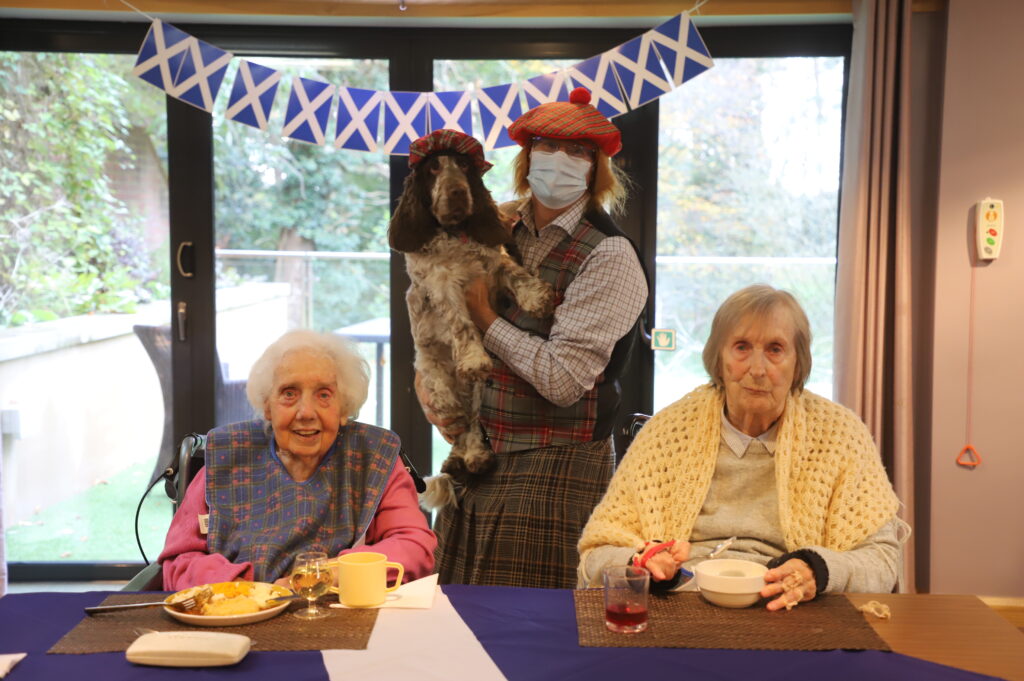
The word ‘convalesce’ simply means ‘to recover’ or ‘to recuperate’. Convalescence care, involves helping a person recover from an injury or illness. This is sometimes referred to as rehabilitation care.
In the case of caring for the elderly, convalescence care often takes place after a person has undergone surgery or suffered from a serious, debilitating or protracted illness. The aim, in most cases, is to restore independence, though it may also involve helping a person to function under a new set of circumstances.
Convalescence care may include physiotherapy, chiropody and even hairdressing.
At Burwood, those seeking convalescence care will be given an individual assessment in order to make sure that our staff and facilities can meet their specific needs. If the assessment is successful, a personal care plan will be drawn up for the person, in order to restore their health and independence as quickly and efficiently as possible.
Palliative Care
Also known as end-of-life care, palliative care usually occurs during the last few months of a person’s life. In such cases, our nurses work with residents and their families to ensure that the person’s life ends as comfortably and with as much dignity as possible.
Palliative care includes prevention or relief of pain where possible, improving the patient’s quality of life and offering any support that they may need, including physical, psychological, emotional and spiritual.
Our nurses work closely with the families of those receiving end-of-life care. Inevitably, this is an exceptionally difficult time for all involved. We understand this, which is why we do everything possible to ensure that those requiring palliative care receive it in a comfortable and supportive environment.
Cost of Care
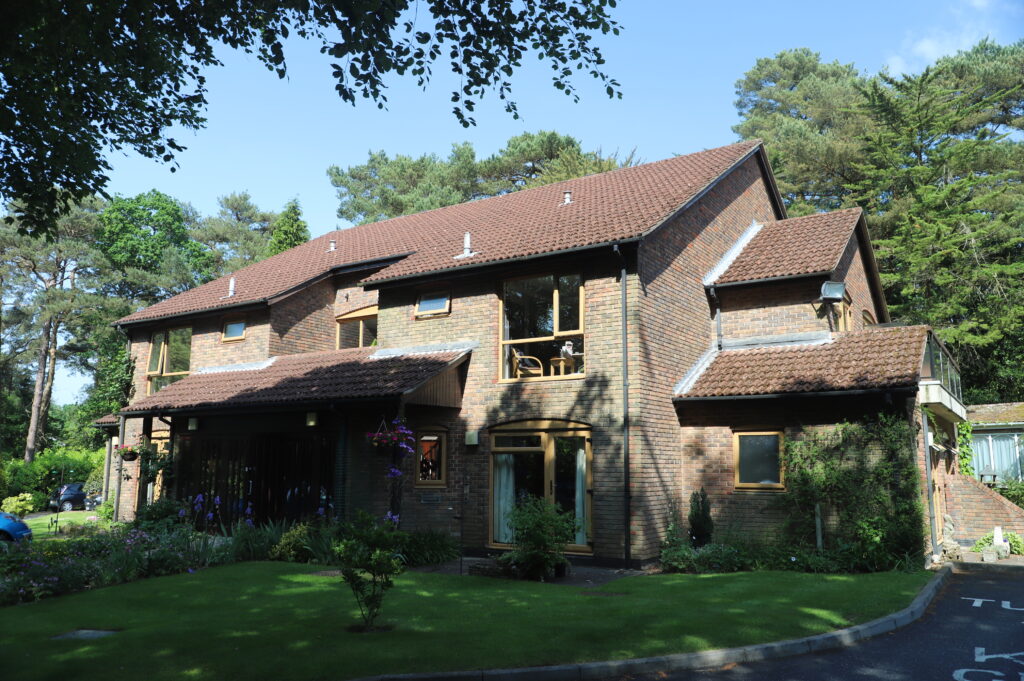
The cost of care is dependent on the level of care required and the room. The charge includes care fees, food and drink, laundry, outings and unlimited visits to the pub and shows in the theatre. However, there will be additional charges for things such as hairdressing, chiropody and newspapers
We have chiropodists, opticians, physiotherapists and dentists and a doctor, that make regular weekly visits.